


The Realm at a Glance
- Territory
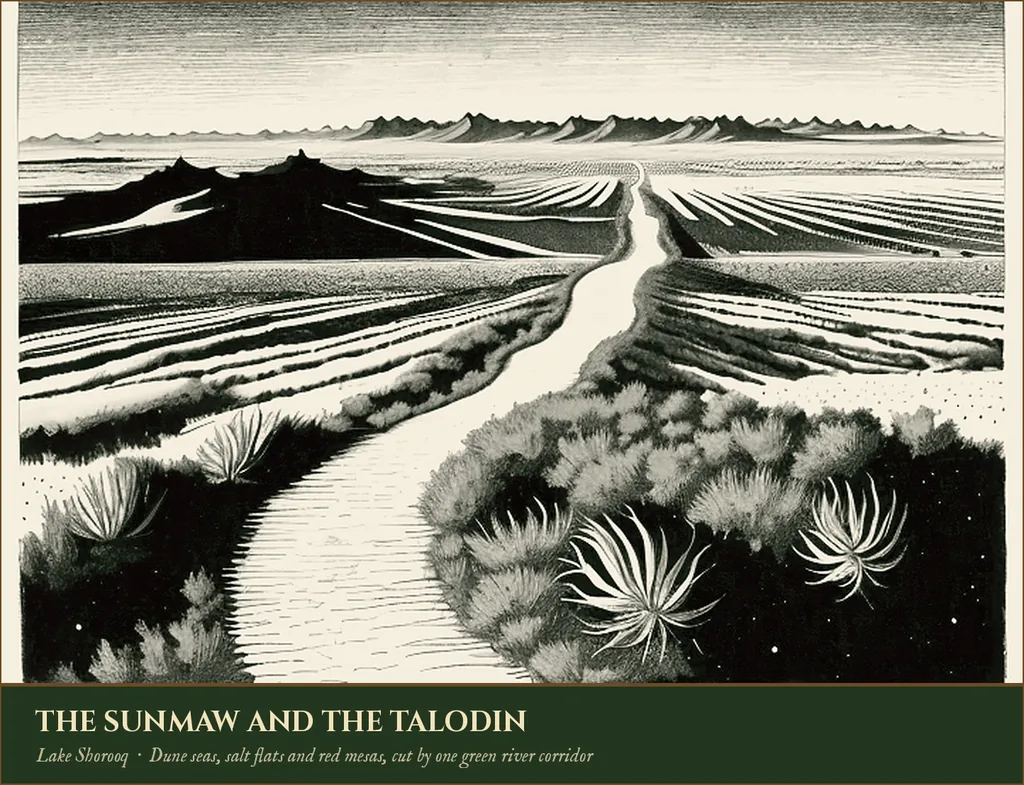
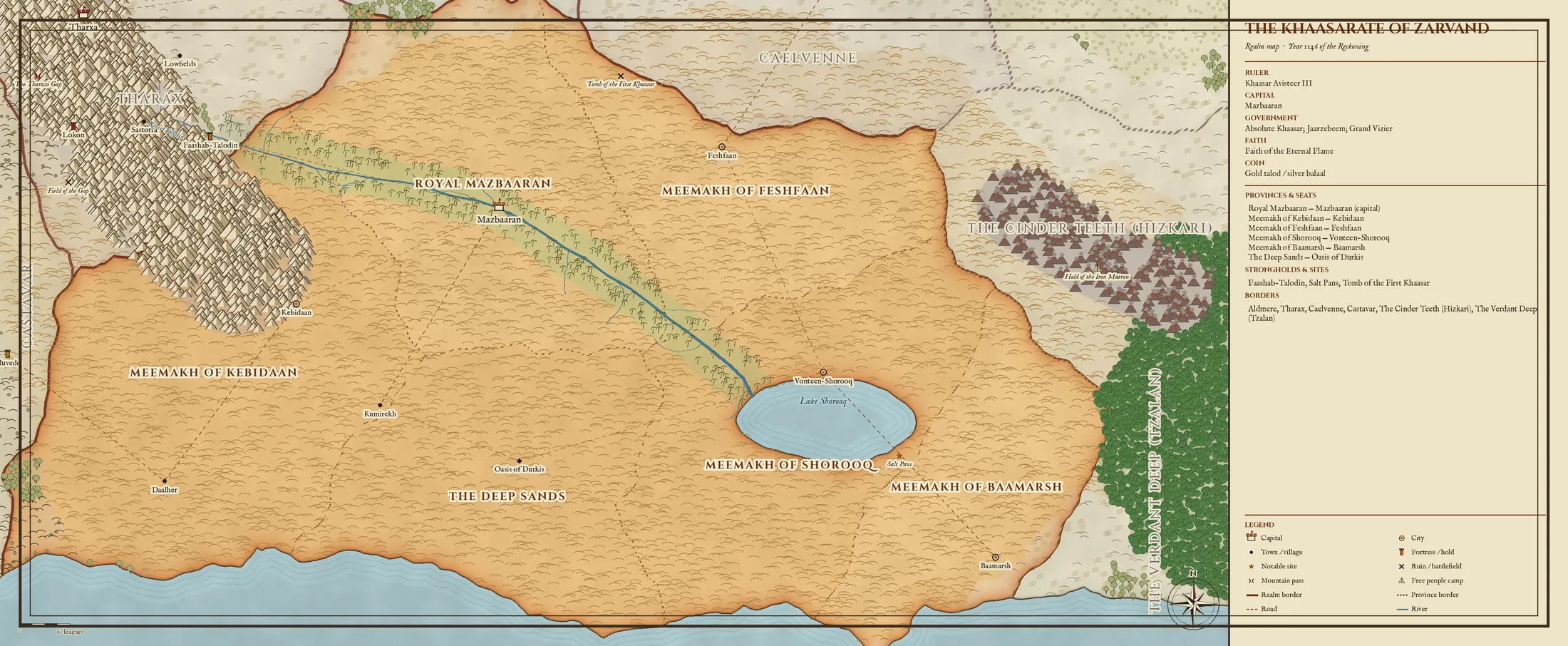
- The Sunmaw desert and the green ribbon of the River Talodin, down to the salt shores of Lake Shorooq and the edge of the Cinder Teeth.
- Capital
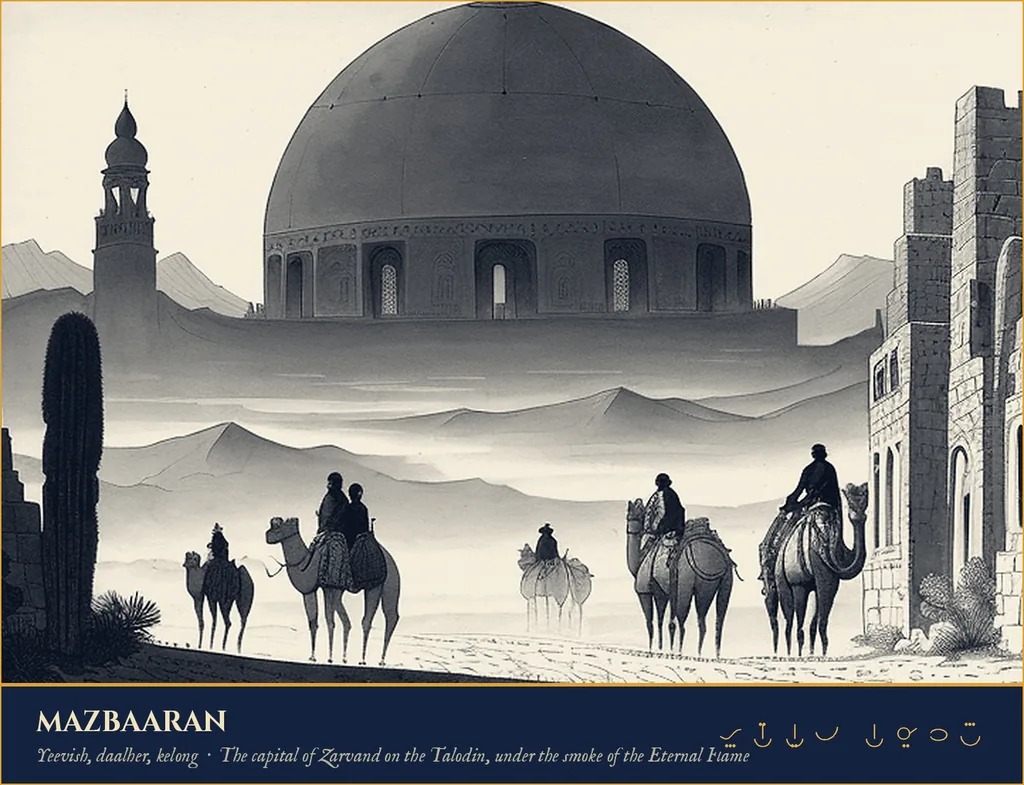
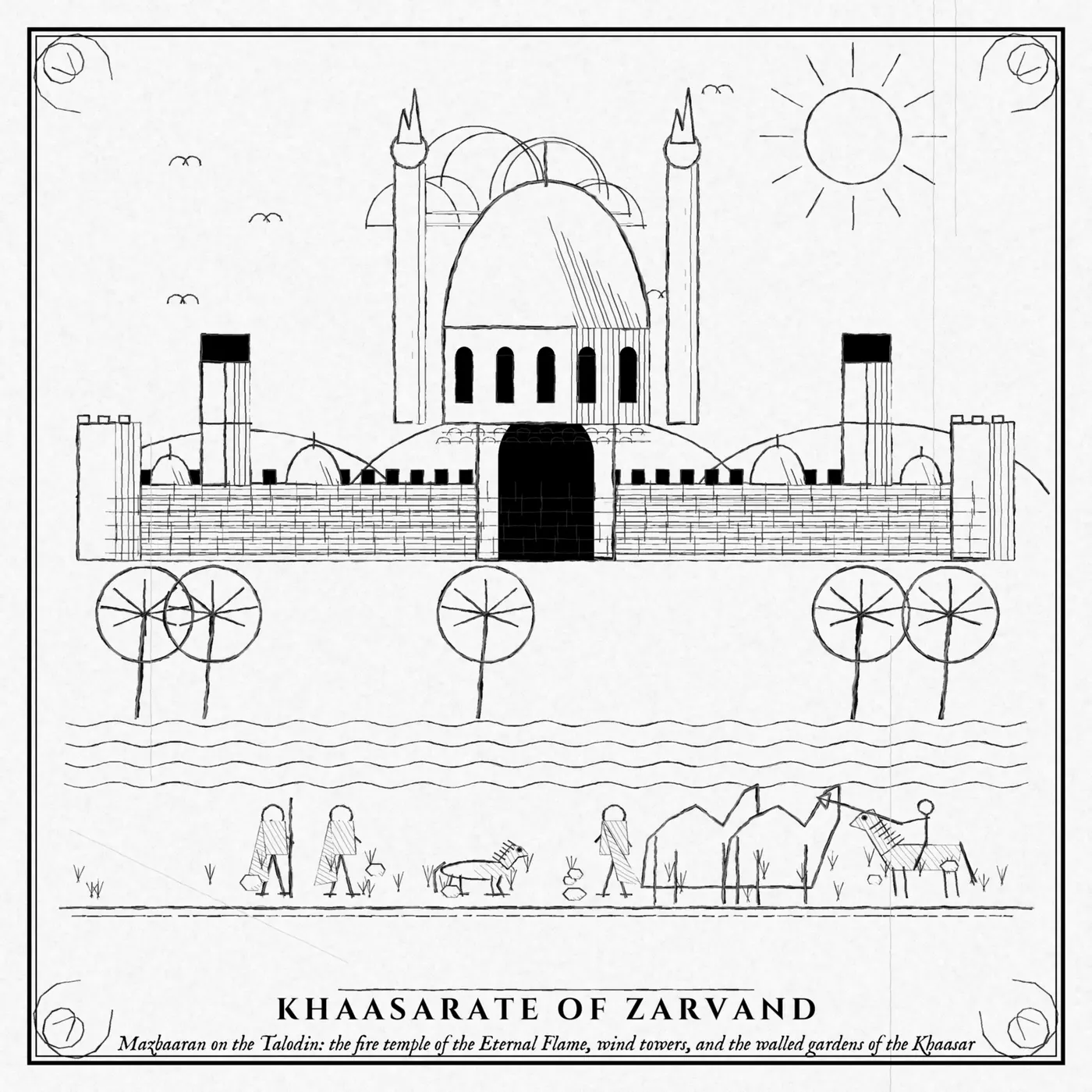
- Mazbaaran, a city of blue-tiled domes, walled gardens and salest channels on the Talodin. Home to the Eternal Flame, a fire said to have burned since before the Reckoning, and kept at Mazbaaran since 183 R.
- Other cities
- Vonteen-Shorooq (summer palace on the lake), Kebidaan, Feshfaan, Baamarsh.
- Government
- The Khaasar rules alone and answers to no one. He governs through lords of the provinces called Jaarzebeem, each with his own court and troops. A grand vizier runs the clerks and the counting-houses.
- Ruler
- Khaasar Avisteer III (67), a poet, a star-watcher and a shrewd envoy, now failing in health.
- Key figures
- His seven sons, the Seven Princes, each backed by different Jaarzebeem. The favorite, Prince Durkaad, is brilliant and loved; the eldest, Prince Faasheer, is ruthless and holds the picked guard. Grand Vizier Tartal-i Kebidaan is trying to keep the whole thing from bursting.
- Religion
- The Faith of the Eternal Flame. Two powers at war: the world is a struggle between Light (truth, order, fire) and Shadow (lies, chaos). Fire temples are tended by priests called Rahaasheem. Honesty is the highest virtue, and so a Zarvani contract is the most trusted on the continent.
- Economy
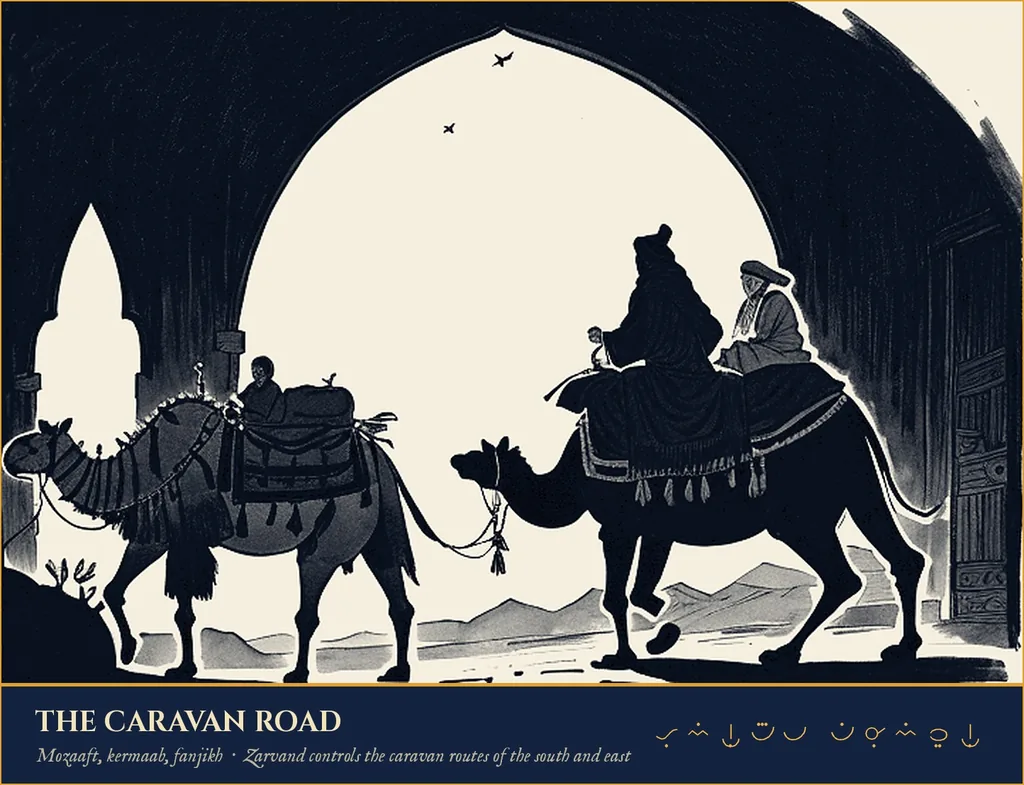
- Holds the caravan roads that tie every corner of the south and east together. Spices, dates, incense, glass, paper, carpets, dyes, salt, star-lore, medicine, and horses and camels.
- Military
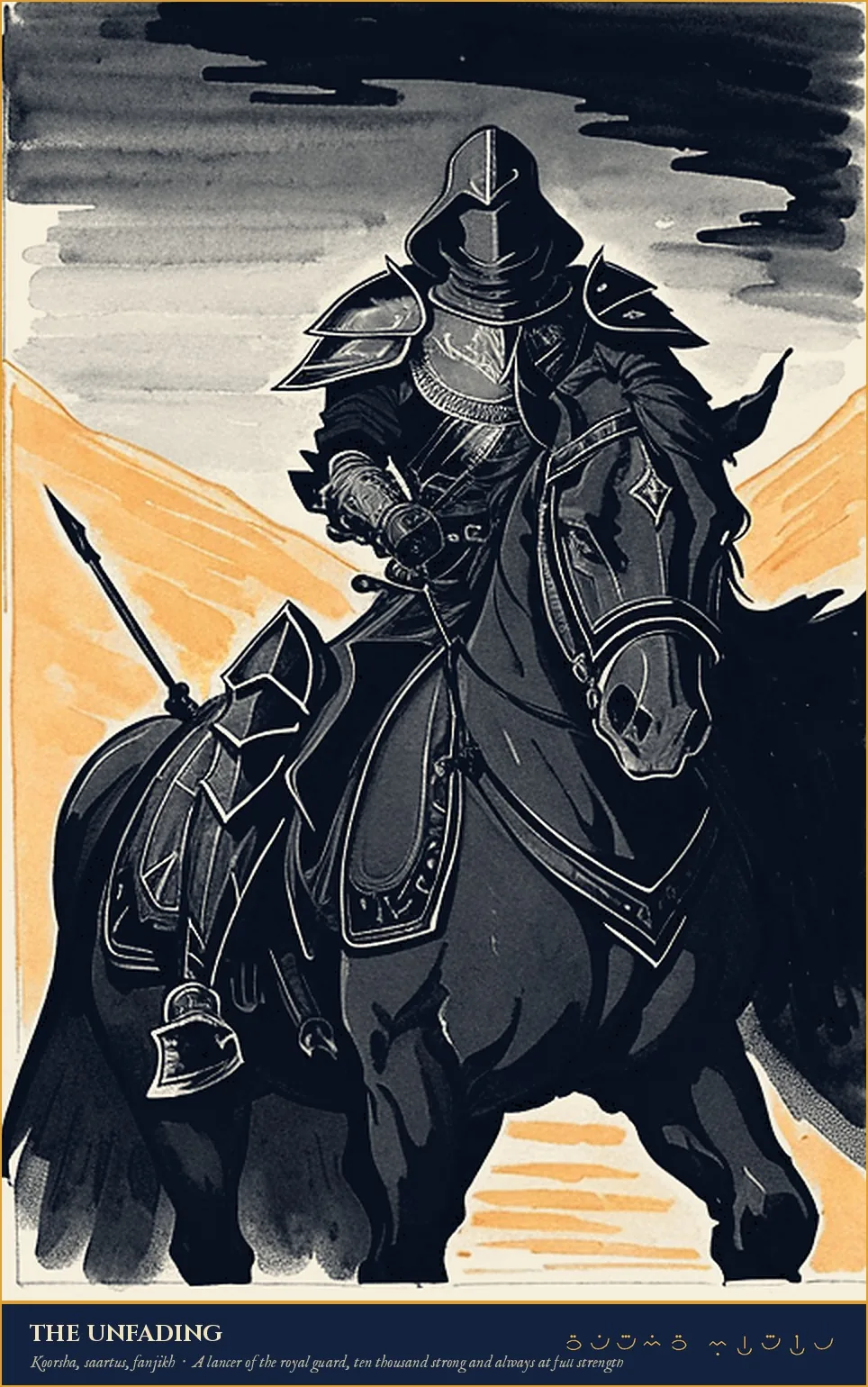
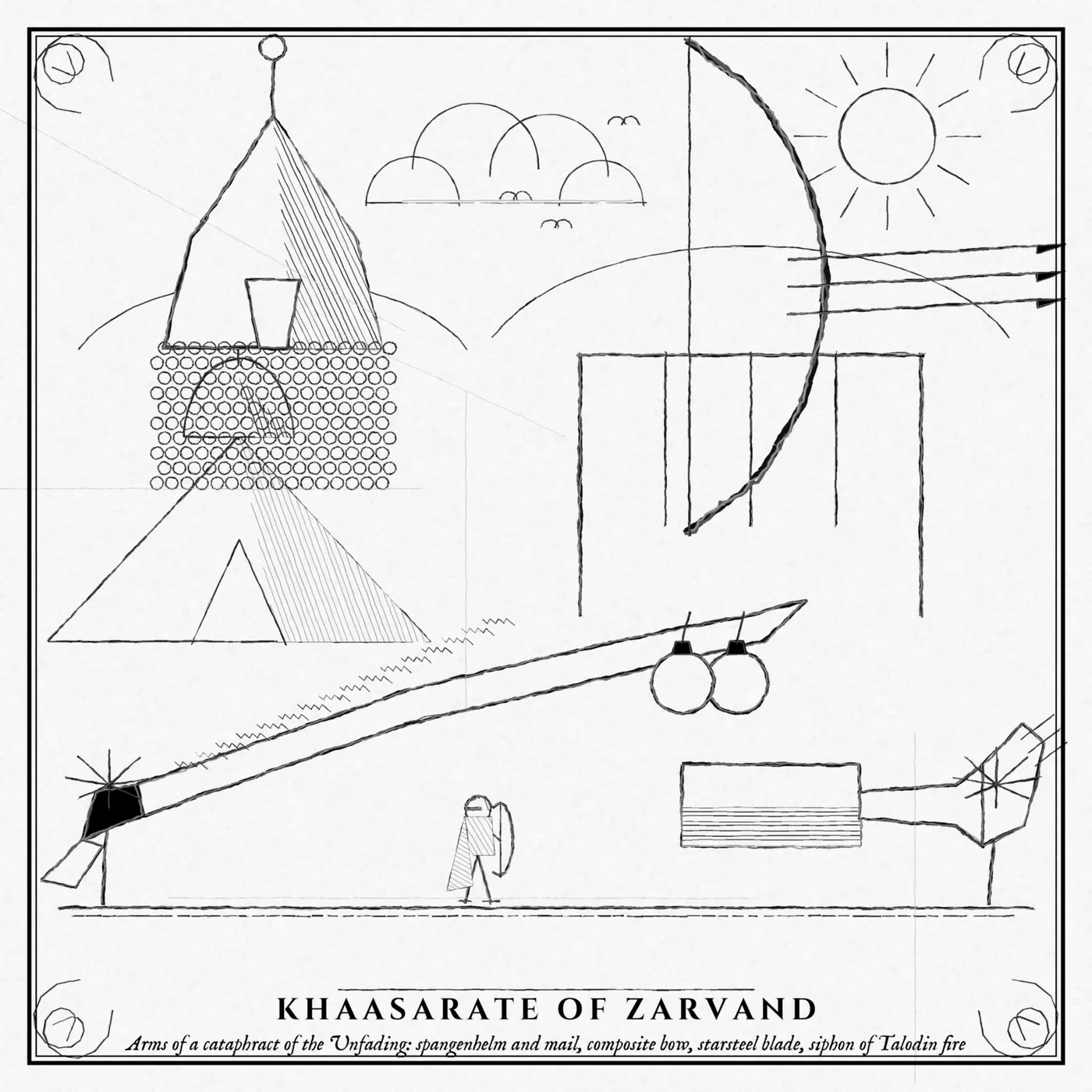
- Horse archers, heavily armored cataphract lancers, camel riders for the deep desert, and the royal guard called the Unfading (10,000 warriors, always kept at full strength).
- Advanced technology
- Talodin fire, a liquid fire made from the naphtha of the Cinder Teeth seeps, sprayed from bronze siphons or thrown in clay firepots. It burns on water. Also counterweight trebuchets, horn-and-sinew recurve bows, and the finest blades on the continent (patterned starsteel, forged from Dunmorrow ingots).
- Architecture
- Domes, tiled arches, walled courtyard gardens, wind towers for cooling, underground salest water channels, and great fortified caravanserais along every road.
- Currency
- Gold talod, silver balaal.
- Strengths
- Great wealth, the best scholars and physicians alive, swift and splendid cavalry, the trade roads in its hand, and the dread Talodin fire.
- Weaknesses
- Everything hangs on the River Talodin, whose headwaters lie in the mountains near Tharax. The war among seven princes for the throne, drawing nearer. Jaarzebeem who act like kings in their own right. A holy war with Castavar that never ends.
Plates
The sketchbook: crest, arms, landmark and heraldry sheets
The Land
Provinces
Royal Mazbaaran
The Khaasar's own province around the capital, astride the middle Talodin. It is the heart of the realm's wealth and learning: the Eternal Flame, the House of Learning, the citadel of the Unfading and the Khaasar's horse stud all lie within it.
Meemakh of Kebidaan
The western province of the Khaasarate, a valley of pistachio orchards on the road toward Castavar. Its people suffered worst in the Long Drought of the Talodin (330–338), when half of Kebidaan starved or fled.
Meemakh of Feshfaan
The northeastern province, lying on the road from Mazbaaran to Caelvenne's Ienvaune. Its fields grow Feshfaan saffron, the most expensive spice in the world.
Meemakh of Shorooq
The province of the salt lake at the Talodin's end, taking in Lake Shorooq, the summer palace at Vonteen-Shorooq and the Salt Pans. It is salt country, where flamingos crowd the flats, tamarisk lines the shore and brine shrimp are harvested for red dye.
Meemakh of Baamarsh
The easternmost province, under the western flank of the Cinder Teeth and facing the Verdant Deep. Castavar has twice come at Zarvand through it, first with missionaries in 690 and then with the army of the Second Crusade in 866.
Voices of Zarvandfaanid
Khaasar Avisteer III
Once handsome, now frail, with a white beard dyed at the edges with henna out of habit and ink-stained fingers from fifty years of writing poetry. Wears the plain robes of a scholar and the ruby of the Khaasareem. Doubled the House of Learning, kept the peace with Kaishon, broke the Third Crusade, and wrote the best verse in the Zarvani language, all while fathering seven sons who are going to tear his realm apart.
Prince Faasheer
Big, hard, black-bearded, with the cataphract's bow-legs and a face that does not move. A scar through his upper lip that makes him look as if he is always about to sneer, which he usually is. Killed his first man at fourteen and his first brother, everyone assumes, at twenty-six, though nothing was proven.
Prince Durkaad
His father's son: a scholar, an astronomer, a poet, and the most popular man in Zarvand. Slender, quick, laughing, with a gap between his front teeth and a saffron stain always somewhere on his sleeve from the Feshfaan fields. Speaks to camel-drivers and Jaarzebeem in the same voice.
Grand Vizier Tartal-i Kebidaan
A tiny, immaculate woman in black, with silver hair under a veil and the fastest mind in the Khaasarate. Rose from a Kebidaan merchant family through the House of Learning's examinations, the first woman to do it. Runs the treasury, the salestoot, the caravan tolls, and the Jaarzebeem's correspondence.
Rahaash Kelongaad the Elder
Ancient, bright-eyed, bald, with a white beard to his belt and the smell of sandalwood smoke on him always. Has tended the Flame for fifty years and claims to remember every Khaasar since Zhaasheer IV. Believes the Flame is the world's truth and that lies are the only real sin; will not tell one even to save a life, and has been asked.
Mozaaft of the Deep Sands
A desert man with a face burned dark and creased, a camel-driver's squint, and a gold tooth. Tattooed on both forearms with the routes of the Spice Way in a code only caravan-masters read. Speaks Zarvani, Qaflan trade-cant, Tzalan, and enough Castavari to sell to them.
Cities and Townsjafib
Mazbaaran
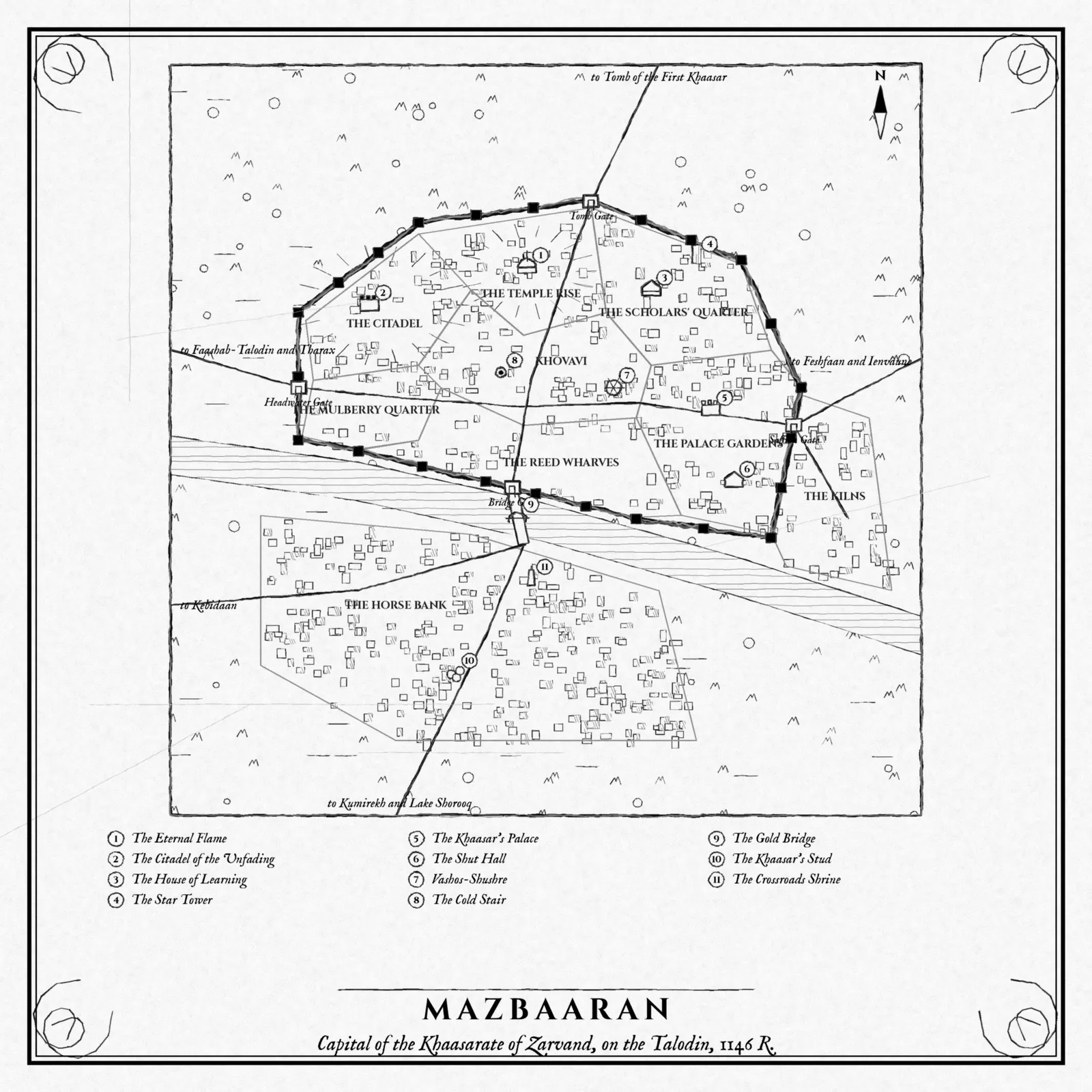
Come down the Talodin and you see the fire before you see the city. From half a day upstream a thin gray thread of smoke stands over the green valley, and under it, as the road bends, the domes come up out of the date palms: hundreds of blue-tiled domes, and among them the square shoulders of the wind towers, their slatted mouths turned to the north wind. The smoke rises from the largest dome, on a low rise in the middle of the city. That is the fire-temple of the Eternal Flame, and every Zarvani on the road falls silent when it comes into sight.
Faashab-Talodin
The road from Sastorra comes down out of the Sastorid Crags in switchbacks, and at the last turn the fortress is there, astride the young Talodin. It is gray mountain stone, not mud brick, and it has no domes. Its walls step up a spur above the river in three rings, and every tower on the road side has a bronze mouth pointed at the road. The river here is loud, cold and green with snowmelt. The air smells of pine smoke, goat and wet rock, and near the lower walls, of naphtha. Look back and you can see the roofs of Sastorra, which means Sastorra can see the fortress, and has for three hundred years.
Other towns and strongholds: Kebidaan, Feshfaan, Baamarsh, Vonteen-Shorooq, Oasis of Durkis, Kumirekh, Daalher. Every town on the continent →
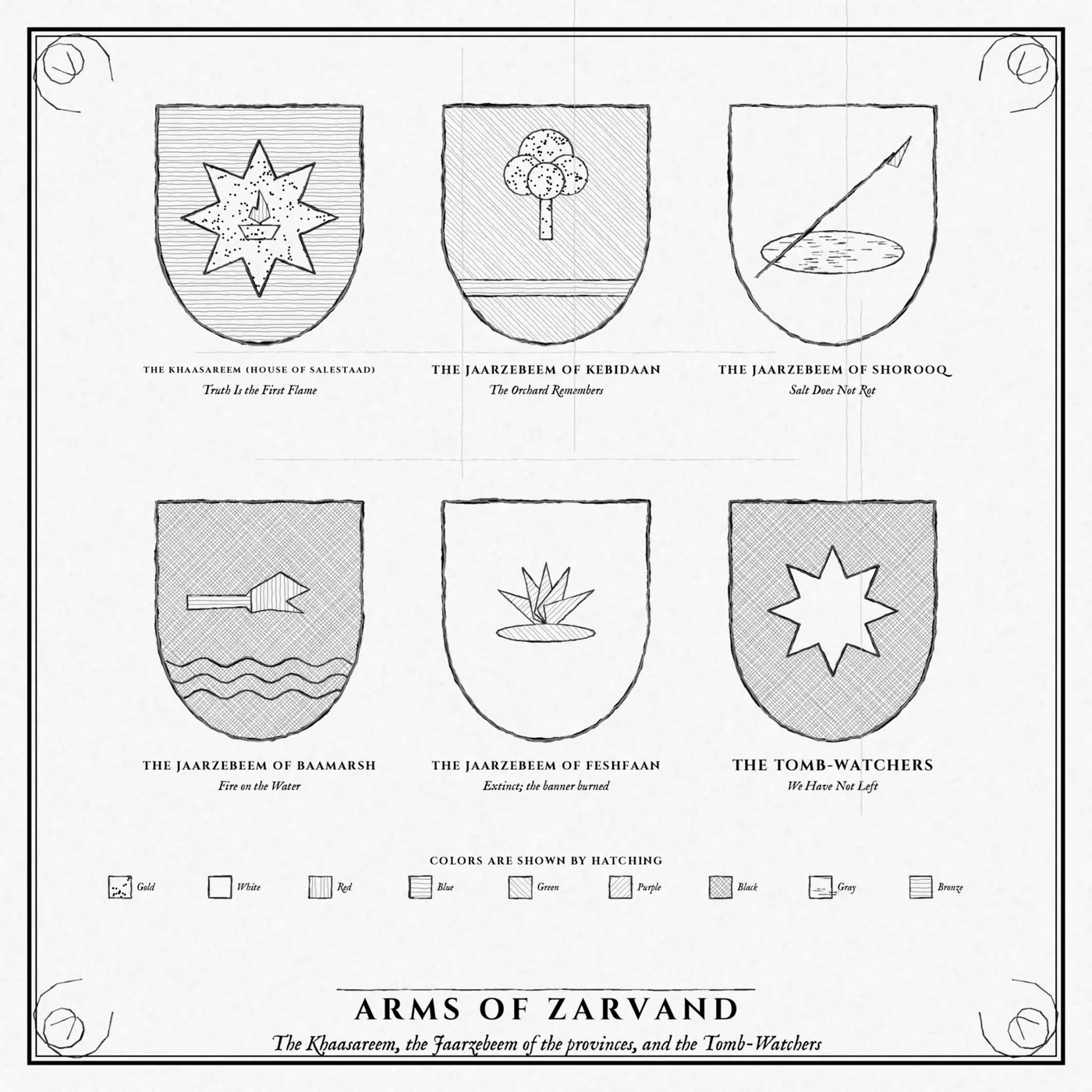
Great Houses and Armstameed
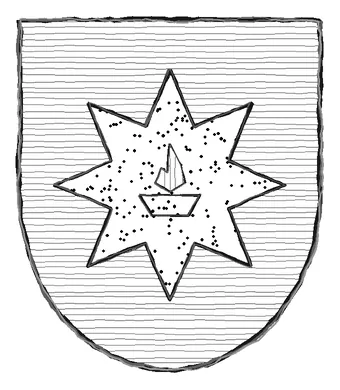
The Khaasareem (House of Salestaad)
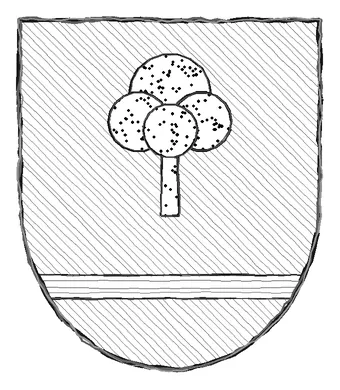
The Jaarzebeem of Kebidaan
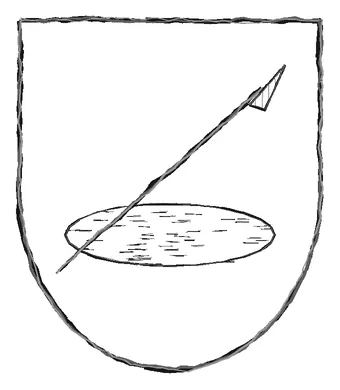
The Jaarzebeem of Shorooq
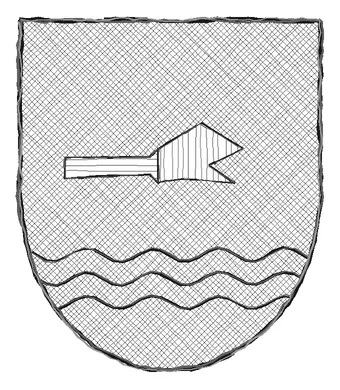
The Jaarzebeem of Baamarsh
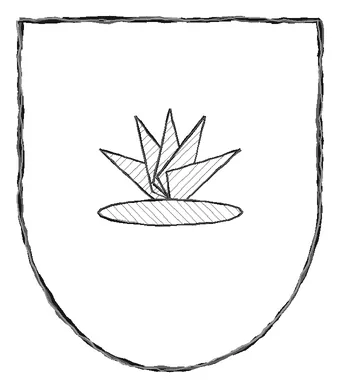
The Jaarzebeem of Feshfaan
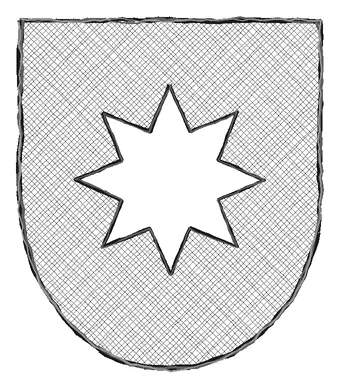
The Tomb-Watchers
The houses in full: descent, heads, heirs, feuds
Succession law
The throne passes by survival, as it has since the Poisoning of 398. Any son of the Khaasar may claim it, and whichever prince Rahaash Kelongaad the Elder crowns in the fire-hall will be Khaasar. A Zarvani prince must kill a mesa lion before he can inherit anything. Among everyone else, sons and daughters both inherit, the sons the larger share, by a will sworn before a fire. The Jaarzebeem are the Khaasar's governors and hold their meemakhoot at his word. In practice a Jaarzeb's son usually follows him, and the families of the great meemakhoot have come to behave like kings, since they keep half the land fifth they gather.
The ruling house: Salestaad
text
The Sarvani Khaasareem (before 183)
│
└── Salestaad the Builder, Khaasar; completes the fire-temple and renames the realm, 183
     ⋮
     ├── Hussaad II, deposed by his Jaarzebeem, 336
     ⋮
     ├── Kasaadeer III, poisoned at a feast, 398
     │     ├── three sons, poisoned with him, 398
     │     └── Avisteer I, the surviving son; burns Feshfaan, 398
     ⋮
     ├── Zhinraad the Learned, founds the House of Learning, 681
     ⋮
     ├── Talodeer the Magnificent, plants Faashab-Talodin, 840; pays the Hizkari gold, 851
     ⋮
     └── Avisteer II, dies of a fall from a horse, 1061
          ├── two sons, who kill each other within the month, 1061
          └── Zhaasheer IV, reigns about forty years, 1061 to c. 1101
               │
               └── Avisteer III, born c. 1079, Khaasar 1102
                    │
                    ├── Faasheer, born c. 1105, eldest, commander of the Unfading
                    ├── (second son, unnamed)
                    ├── (third son, unnamed)
                    ├── Durkaad, born c. 1113, fourth son, governor of Feshfaan
                    └── (fifth, sixth and seventh sons, unnamed)
- Seat: The Khaasar's Palace, Mazbaaran (
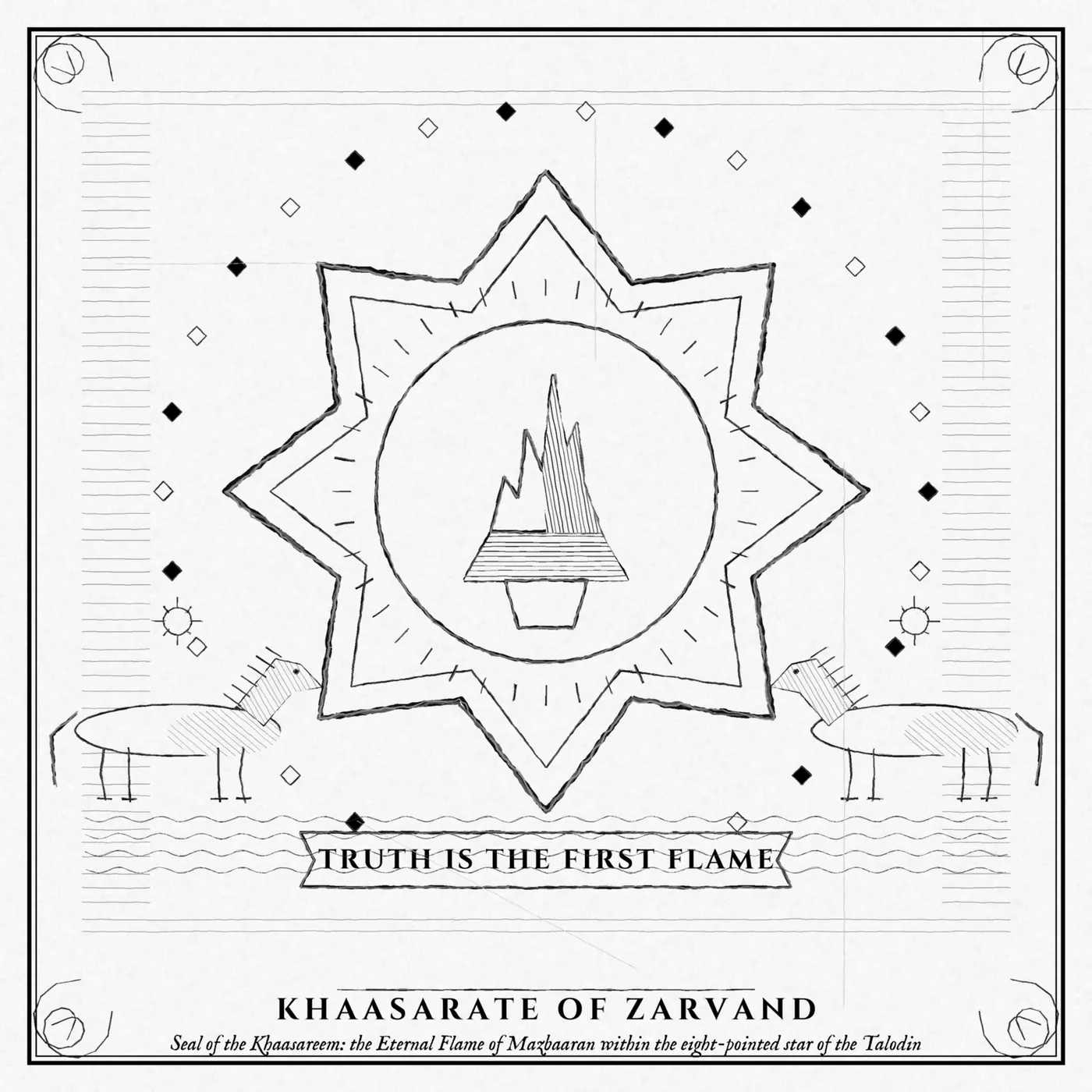
mazbaaran); Royal Mazbaaran (royal-mazbaaran), which has no Jaarzeb. - Arms: The seal of the Khaasareem: the Eternal Flame in a fire-bowl within the eight-pointed star of the Talodin, gold on blue. It is carved over the door of the Keep of Talodeer.
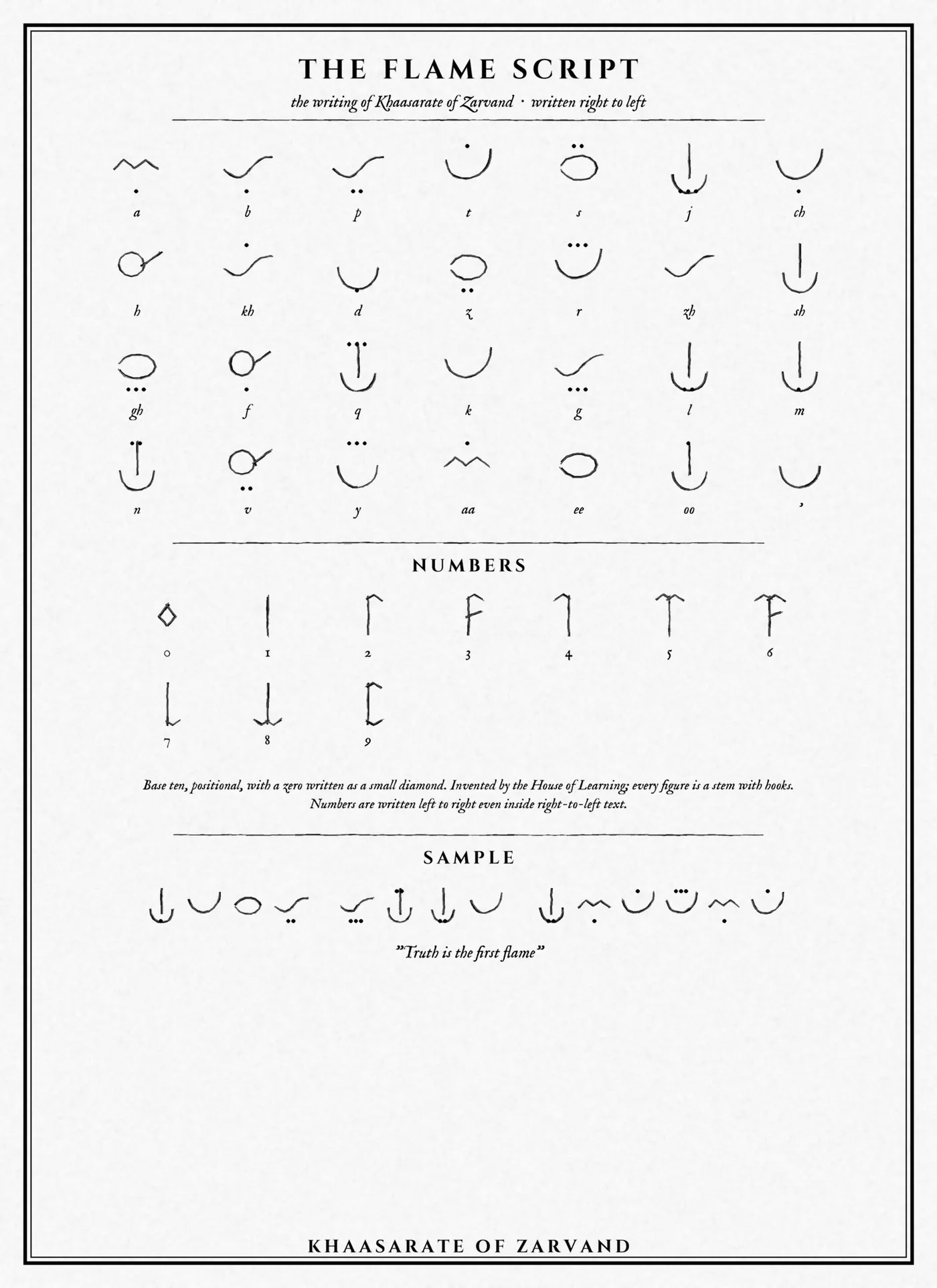
- Words: Truth Is the First Flame.
- Head: Khaasar Avisteer III (67), poet and star-watcher, who has perhaps a year.
- Heir: Whoever survives. Faasheer holds the Citadel and the Unfading; Durkaad holds Feshfaan and the love of the cities.
- Wealth and power: The house commands about 2,400,000 leusores a year, the Spice Way tolls, the Khaasar's stud, whose horses are never sold, and the House of Learning. Zarvand owes nothing abroad.
- Allies and feuds: The house wages the endless holy war with Castavar, and its princes are split between the Citadel party and the Garden. The Twelve Tents, several governors who would like the Jaarzebeem to choose the Khaasar, are the Grand Vizier's nightmare.
- History: The Jaarzebeem deposed Hussaad II in 336 for "losing the favor of the Flame." Since the Poisoning of 398 every new Khaasar is shown the sealed Shut Hall on the day he takes the throne. In 1145 Faasheer took the Unfading and Durkaad was sent to Feshfaan.
- Hooks: The Khaasar's last poem will be read to all seven sons at once. Faasheer's agents want Kelongaad to declare that the Flame favors the eldest. Rumor holds that Faasheer killed his first brother at twenty-six; the chronicles still count seven princes.
- Direction: CONTESTED.
The Jaarzebeem of Kebidaan
- Seat: Kebidaan (
kebidaan), in the meemakh of Kebidaan (meemakh-of-kebidaan). - Arms: On green, a pistachio tree over a blue water channel.
- Words: The Orchard Remembers.
- Head: The present Jaarzeb of Kebidaan, who keeps the Shadowed faith himself.
- Heir: His son, if the Khaasar who survives allows it.
- Wealth and power: The house holds pistachio orchards and the western road through Daalher to Castavar. The Shadowed's two-fire temples are strongest in its meemakh.
- Allies and feuds: The house stands with the Garden, behind Durkaad. Prince Faasheer has promised the Rahaasheem he will burn the Shadowed temples when he is crowned.
- History:
- 330–338 — Half of Kebidaan starves or flees in the Long Drought. The house remembers that the Jaarzebeem deposed a Khaasar for it.
- Hooks: If Faasheer sends a column to burn the temples, the Jaarzeb will shut his gates and send to Durkaad for help.
- Direction: CONTESTED.
The Jaarzebeem of Shorooq
- Seat: Vonteen-Shorooq (
vonteen-shorooq), in the meemakh of Shorooq (meemakh-of-shorooq), beside the Khaasar's summer palace. - Arms: On white, a red lance laid across a gray salt pan.
- Words: Salt Does Not Rot.
- Head: The Jaarzeb of Shorooq.
- Heir: His son.
- Wealth and power: The house lives on salt, which is money in the deep desert, and on brine-shrimp red for the dyers.
- Allies and feuds: Shorooq is one of the southern meemakhoot, and so it stands with the Citadel.
- History:
- 866–868 — The Second Crusade holds Vonteen-Shorooq for two years, until the cataphracts charge across the Salt Pans at dawn.
- Hooks: If the Talodin keeps falling, Lake Shorooq goes to salt first, and the Jaarzeb will back whichever prince promises him water.
- Direction: FADING.
The Jaarzebeem of Baamarsh
- Seat: Baamarsh (
baamarsh), in the meemakh of Baamarsh (meemakh-of-baamarsh). - Arms: On black, a bronze siphon breathing orange fire over blue waves.
- Words: Fire on the Water.
- Head: The Jaarzeb of Baamarsh.
- Heir: His son.
- Wealth and power: The house holds the port, the road to the Hizkari's naphtha, the spice-forts on the Nhal, and the fire-boats under Tolaarz of the Fire-Boats.
- Allies and feuds: The house stands with the Citadel. The Baamarsh Converts, walled in their own quarter and kept alive by Castavari gold, are a feud with the Rahaasheem that will end in a massacre.
- History:
- 690 — The Zarvani burn a Castavari missionary ship here.
- 866 — The Second Crusade takes the city and holds it until 868.
- Hooks: A Castavari envoy passed through Baamarsh on his way to the Cinder Teeth.
- Direction: RISING.
The Jaarzebeem of Feshfaan (extinct)
- Seat: Feshfaan (
feshfaan), in the meemakh of Feshfaan (meemakh-of-feshfaan). - Arms: Once a saffron crocus. The banner burned with the city.
- Head: None. Since 1145 the meemakh is governed by Prince Durkaad.
- History:
- 398 — Avisteer I blames the Jaarzeb of Feshfaan for his father's poisoning and burns the city. Zarvand's merciless succession dates from that fire.
- 1145 — Durkaad is sent to govern Feshfaan, out of the way.
- Hooks: Feshfaan is where Faasheer's Unfading would have to come to arrest his brother.
- Direction: RISING under its prince.
The Tomb-Watchers
- Seat: The Tomb of the First Khaasar, in the desert north of Mazbaaran (
tomb-of-the-first-khaasar). - Arms: A plain black tent-cloth with the Khaasareem's star in white.
- Words: We Have Not Left.
- Head: The eldest watcher.
- Heir: The eldest after him.
- Wealth and power: They have nothing but a grain train from the Tomb Gate each month. About three hundred of them claim descent from the first Khaasar's bodyguard.
- Allies and feuds: The Khaasareem feed them. Prince Faasheer has said he will stop.
- Hooks: If the grain stops, three hundred of the oldest blood in Zarvand will walk into Mazbaaran for the first time in nine centuries.
- Direction: FADING.
Zarvand's great houses are CONTESTED. The throne passes by survival, and every Jaarzeb is deciding which prince will survive.
Faith, Myth and Folklorebenrin
Myths
The First Flame. In the beginning there was only Shadow, and it was not evil, only alone.
Myths
The First Flame. In the beginning there was only Shadow, and it was not evil, only alone. A single spark, whose name is Truth, was struck from nothing, and the Shadow, seeing itself for the first time, was afraid, and has fought the light ever since out of fear, not malice. The Eternal Flame at Mazbaaran is said to be that spark, carried from the mountains by Salestaad the Builder, who never let it go out in forty days of walking. The Shadowed say the myth proves Shadow is not the enemy but the frightened elder.
The River's Bargain. The Talodin was a serpent that lived in the Spine and would not come down. The first Zarvani, dying of thirst, sent a girl to ask it. The serpent said it would come down and lie across the desert if it was never dammed and never cursed, and if a girl walked its length every year to greet it. The Jaarzebeem still send a girl. Tharax, holding the headwaters, holds the serpent's head by the myth's reckoning, and every Zarvani knows it.
The Seven Princes of Kasaadeer. Not a myth, but treated as one: the poisoning of Khaasar Kasaadeer III in 398, and the sons who died with him, is told as a warning tale of seven princes, each with a flaw, each dying by it. There are seven princes again. Every Zarvani mother has noticed.
Folk tales
The Camel Who Knew the Way. A caravan was lost in the Sunmaw and its master died, and the lead camel walked three hundred miles to Mazbaaran alone with the water on its back.
Folk tales
The Camel Who Knew the Way. A caravan was lost in the Sunmaw and its master died, and the lead camel walked three hundred miles to Mazbaaran alone with the water on its back. Every caravan-master owns a descendant of that camel. Mozaaft owns two.
Tartal's Abacus. A folk tale already in her own lifetime: the merchant's daughter who beat the House of Learning's examination by reckoning faster than the examiners could read the question. Told to girls in Kebidaan, with more added every year.
The Rahaash and the Liar. A liar went to the fire-temple to be cleansed, and the Rahaash asked him one question. A joke with a hundred versions; the question is always different and the liar always leaves worse off. Rahaash Kelongaad has been the Rahaash in it for thirty years.
Old wives' tales
Old wives' tales
- Never speak a lie within sight of a fire-temple's dome; the Flame hears, and the truth burns its way out of you as fever.
- A hoopoe on the garden wall means a letter is coming. A hoopoe in the house means the letter is bad.
- Pomegranate seeds counted before eating are years of life; do not count past forty, or the Shadow takes the rest.
- A sandstorm on a wedding day is the Shadow's jealousy; a sandstorm at a funeral is the Shadow's grief. It is always the Shadow's something.
- The Shadowed say: never blow out a candle; pinch it, so the flame goes into your hand and not into the dark.
- A prince who counts his brothers has one fewer by morning.
Traditions
Traditions
- The Walking of the Talodin. Every spring a girl chosen by lot walks from Faashab-Talodin to Lake Shorooq greeting the river, and no one may harm her, not even in war. The Third Crusade honored this. Castavar was surprised to learn it had.
- The Fire Marriage. Couples wed by circling a fire seven times, and the Rahaash asks each, before the flame, whether they have ever lied to the other. It is the only time a Zarvani is expected to answer "yes."
- Truth-day. One day a year the Khaasar sits in the fire-hall, and any subject may tell him one true thing without punishment. Avisteer III has held it every year and once wept. Faasheer has said he will end it.
- The Salt Gift. A caravan arriving at any city gives the gate-keeper a handful of salt. Caravans that skip it are, as everyone knows, carrying something they should not.
Law and Daily Lifesimdaan
Courts, crimes, marriage, food, dress and a day in Zarvand
Law
The Khaasar's word is law. He rules the provinces through the Jaarzebeem, each with his own court, troops and judges, and through the Grand Vizier, whose clerks keep the tax rolls, tolls, market weights and salestoot. Royal Mazbaaran has no Jaarzeb, so its law comes from the Khaasar directly, which in 1146 means the Grand Vizier's.
Zarvani law rests on the oath. Contracts are sworn before a fire, a Rahaash witnesses anything large, and any case that turns on whether someone lied goes to a Rahaash, who judges it before a temple fire. A man proved to have broken an oath sworn on the Flame may never swear another, and that ends him in trade more surely than any fine. On Truth-day, the 7th of Kelong, any subject may tell the Khaasar one true thing without punishment. Prince Faasheer has said he will end it. The watch is the Unfading in the capital and each Jaarzeb's troops elsewhere.
| Crime | Usual punishment |
|---|---|
| Theft | Repay three times over, and a flogging |
| Breaking an oath sworn on the Flame | Never to swear again; no one will trade with him |
| Hiding a charge in a contract | The contract void; the hider fined, because a hidden charge is a lie |
| Selling unlicensed poppy | The poppy burned and a flogging; a second offense sends him to the Kilns' furnaces for a year |
| Selling forged star tables | A flogging, and the forger's ink hand branded |
| Fouling or cutting a salest channel | Death, as a crime against the whole city |
| Harming the girl of the Walking | Death |
| Poisoning | Death, and the poisoner's household goods forfeit to the Khaasar |
Exile and debt. Zarvand exiles those it will not kill, the Ember Pilgrims among them, and the Deep Sands shelter whoever the Jaarzebeem want and cannot find. Debt is sworn like any contract, with its interest named in the oath. A debtor who cannot pay works for his creditor for a sworn term. Zarvani law keeps servants and debt-workers, but no slaves.
Family
Marriage and divorce. Couples wed by the Fire Marriage. They circle a fire seven times, and the Rahaash asks each whether they have ever lied to the other. It is the only time a Zarvani is expected to answer "yes." Either spouse may end a marriage before a temple fire by speaking three true reasons, and the wife takes back her dowry. A spouse who lies about the reasons has broken an oath before the Flame, and few will risk it.
Inheritance. Sons and daughters both inherit, sons the larger share, by a will sworn before a fire. A Zarvani prince must kill a mesa lion before he can inherit anything, and the throne passes by survival, as it has since the Poisoning of 398.
Women. Women of good family go veiled outside the house, and so does the Grand Vizier, the first woman to pass the House of Learning's examinations. Women run most of the silk workshops of the Mulberry Quarter, and they own and inherit property in their own names.
Children and schooling. Every fire-temple keeps a school, and every city child learns the letters and then the numbers, in that order. The House of Learning takes the best by examination. About three Zarvani in ten can read. Nearly all city people can. The Deep Sands cannot, and do not care.
Daily life
Food and drink. The date is the valley's bread, and wine is drunk openly.
| A courtier of the palace | A weaver of the Mulberry Quarter | A date-farmer on the Talodin | |
|---|---|---|---|
| Morning | Zarvani coffee, flatbread, pomegranate | Flatbread and dates | Dates and a little milk |
| Midday, before the heat | Talodin carp, saffron rice, pistachios, iced mulberries in summer | Flatbread, catfish, onions | Flatbread and dates in the shade |
| Evening | Mutton, fire-rose sweets, Castavari red | Lentils and flatbread, date wine; mutton on feast days | Catfish or boiled grain, date wine |
The richest houses freeze water in shallow pools on winter nights and keep the ice in straw-lined pits for summer. Pomegranate seeds counted before eating are years of life, and nobody counts past forty.
Dress and houses. Zarvani wear long, loose robes of cotton or silk, pale for every day and red or saffron for feasts, and the men wear headcloths. Scholars wear plain dark robes, and so does the Khaasar. The rich build around gardens with water in them, with wind towers and cellar rooms for summer afternoons. The poor share courtyards. In summer everyone sleeps on the roof.
Health and hygiene. Zarvand has the best physicians alive. The physicians' courts of the House of Learning teach medicine, sell the Khaasar's licensed poppy and send their graduates to every court that can pay. The most sought after in Mazbaaran is Mimsaan the Physician (mimsaan, "kind"), who treats the poor of the Reed Wharves in the mornings and the palace in the afternoons, and has not been told what ails the Khaasar. Wormwood of the Sands is the desert's medicine for fever and worms. Every town has bath-houses fed by the salestoot, and people wash there before going to the fire-temple. The Talodin mosquito carries the river fever, and the Long Drought of 330–338 is still the measure of a bad year.
Birth and death. A newborn is carried past a fire on its seventh day and named. The dead are washed, wrapped in pale cotton and buried before the next sunset, and a lamp burns at the grave for seven nights.
Pastimes. Zarvand loves poetry, and Avisteer III's verse is the measure of every poet. Market storytellers tell "The Rahaash and the Liar," and there are snake-charmers, falconry, horse races, and lute and drum in the garden houses.
A day. The day begins before light, when the Rahaasheem feed the temple fires. The town works through the morning, shutters itself through the heat and wakes in the late afternoon. The week has five days, and on Kelong the fire-temples are full.
Where it is going: CONTESTED. Zarvand's law is only as tolerant as its Khaasar, and its Khaasar is dying. The oath, the temple schools and Truth-day will outlive any prince. Avisteer III's refusal to persecute the Shadowed will not outlive Faasheer.
Trade, taxes and money
Makes and sells. Dates, silk, carpets, dyes, paper, glass, saffron, pistachios, salt, incense, licensed poppy, star tables, medicine, coffee, camels and starsteel blades, and it carries the south's spices for everyone. It never sells Talodin fire or the Khaasar's horses. The horses are given away, as statecraft.
Buys. Naphtha from the Hizkari, starsteel ingots from the Dunmorrow, Castavari red and silver by way of Daalher even in crusade years, wine and gold from Ienvaune, pepper from the Nhal, and grain when the river is low.
Taxes and tolls. - The Grand Vizier's toll at Vashos-Shushre: one part in ten on caravan goods coming into Mazbaaran and one in twenty on goods going out. - Every Jaarzeb takes one part in twenty at his own city's gates. - The land fifth: a fifth of the date and grain harvest, gathered by the Jaarzebeem, who send half to Mazbaaran and keep the rest. That half is why they behave like kings. - The water-hours: every garden and field fed by a salest channel pays an eighth of a balaal for each hour a week it draws in the growing season, and the salest-diggers keep the count. - The poppy license, the star tables and the Salt Pans belong to the Khaasar. The Salt Gift at every gate is custom, not tax, and caravans that skip it are searched.
Direction. CONTESTED. Zarvand owes no one abroad and earns more than any realm but Kaishon, and it may spend all of it on a war between brothers.
The Year in Zarvanddoormaf
Months. Nozdooz (rose), Khuhor (headwater), when the Spine's snowmelt reaches the Talodin, Kebid (garden), Zhaash (sun), Roveskol (dune), Daalher (date palm), Khaavaruq (pomegranate), Feshfan (saffron), Mozaaft (caravan), when the cool season opens the roads, Kelong (flame), Peenfid (star), Tiqeez (oasis).
Week. Five days, six weeks to a month: Vaam, Zhob, Tird, Chood (one to four) and Kelong (flame), when the fire-temples are full. The Accord Days belong to no week.
Years. Years of the Flame, from Salestaad the Builder's finishing of the fire-temple at Mazbaaran in 183 R., the year the realm took the name Zarvand: 964 of the Flame. The House of Learning keeps the Reckoning as well, because the star tables are written in it.
Festivals:
- The Walking of the Talodin (from the 1st of Khuhor). The girl chosen by lot sets out from Faashab-Talodin when the snowmelt reaches the fortress and walks the river down to Lake Shorooq, greeting it as she goes; it takes most of the month. No one may harm her, not even in war.
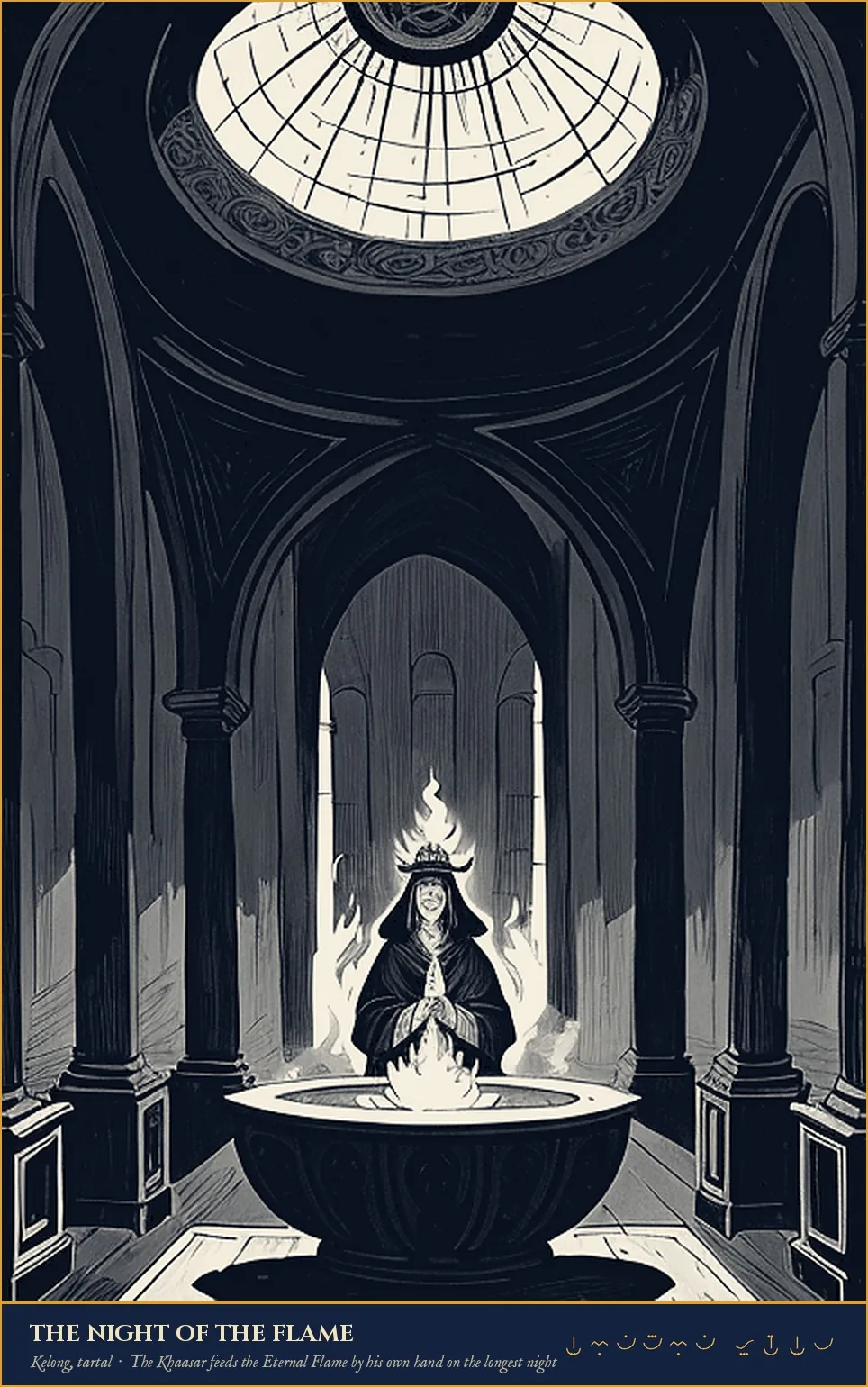
- The Night of the Flame (the longest night, 6th of Kelong). Every fire-temple keeps watch over its flame from sundown to sunup, on the night the Shadow is longest. The Eternal Flame at Mazbaaran is fed by the Khaasar's own hand.
- Truth-day (7th of Kelong, the morning after). The Khaasar sits in the fire-hall, and any subject may tell him one true thing and go unpunished. Avisteer III has never missed it. Faasheer has said he will end it.
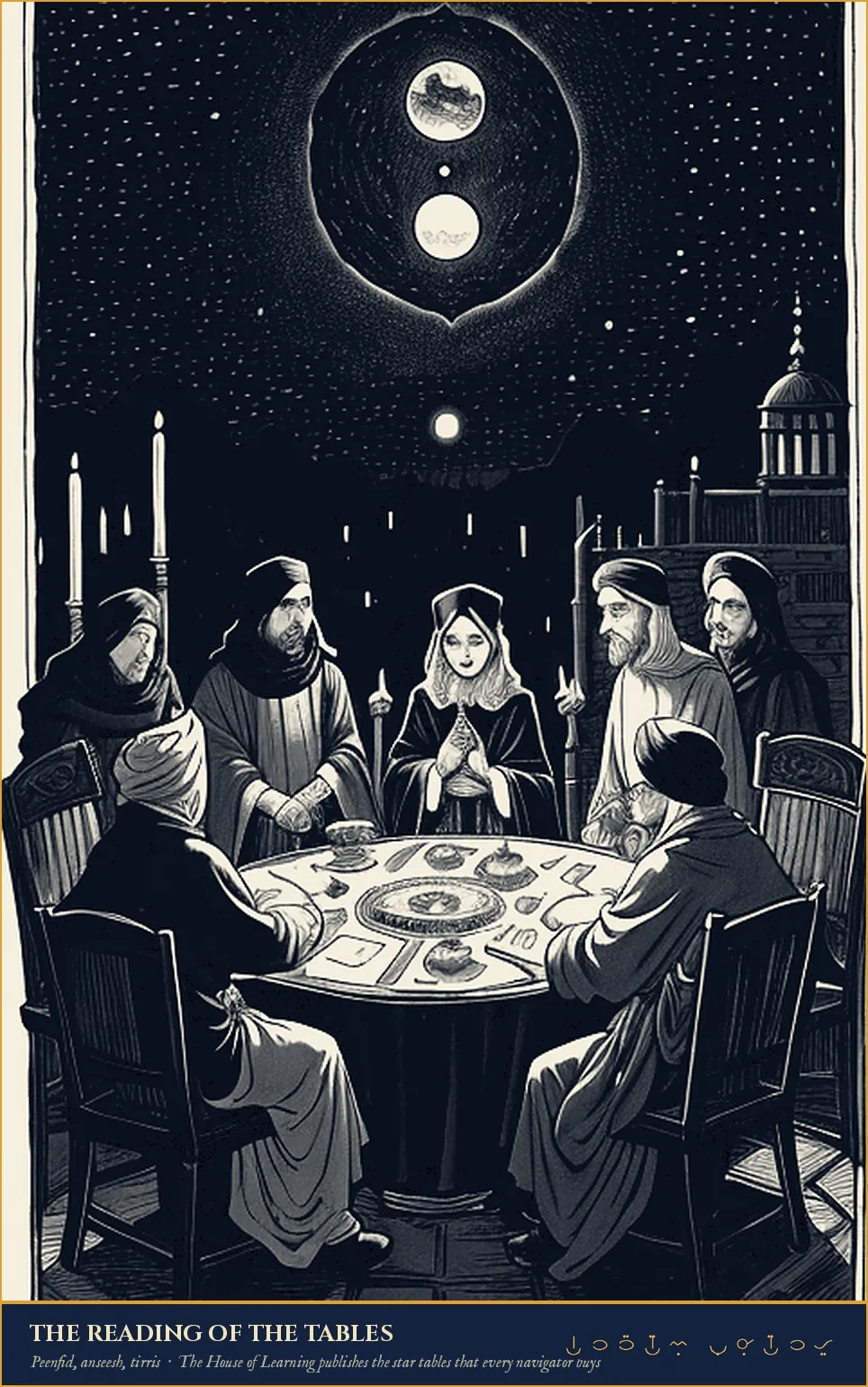
- The Reading of the Tables (1st of Peenfid). The House of Learning gives out the next year's star tables. Navigators from every realm, Castavar's among them, buy copies the same week.
Speak Zarvaniujataakh
| Zarvani | English |
|---|---|
| Diznesh-i shoom. | Light upon you. (The greeting. Literally "light of you.") |
| Tartal, kelong-i peekim. | Truth is the first flame. (The motto. "Is" is left out.) |
| Ghoon hussoos? | Where is the water? (The Sunmaw's first question.) |
| Yod neesh yeezrimum. | I don't know. |
| Ghom mirma? | How much? |
| Menren diq. | Please. (Literally "do the kindness.") |
| Neesh lurnelish! | Don't lie. (Said to children, and to princes.) |
| Peenfidoot tartal senozond. | The stars tell the truth. (The Celestial Table's saying.) |
| Qurift shurlal. | With salt. (A caravan's honest arrival.) |
| Yiqamsakh eshkat mazbaaq. | Shadow is also fire. (The Shadowed's heresy, in three words.) |
| Maab qazain. Maab daqazain. Maab shaqazain. | We write. We wrote. We will write. |
| Kaasht-i khaasar | The Khaasar's horse. (The linking ending -i joins a thing to its owner.) |
| Zarvani | English |
|---|---|
| vikheer | person |
| hesh | father |
| mikhakh | husband |
| koorsha | king |
| zokhqin | farmer |
| zhaash | sun |
| saartus | wind |
| kebarz | lake |
| tisdeed | wood (material) |
| soommaz | town |
| tamjim | door |
| zurfal | day |
| venvar | spring |
| lonim | bread |
| misam | wine |
| biq | dog |
| feesht | bird |
A Thousand Yearsfejonkoon
| Year | What happened |
|---|---|
| 0 R. | The Accord of Surmave. The six surviving great powers and the Tharaxi sign the Accord on an island in Lake Surmave, fixing borders and founding the calendar: Vareth, Wessary, the Marrowmere League, the Twin Crowns of Castavar and Lasdara, the Sarvani Khaasarate, the Three Thrones of the East, and Tharax. Hrodvald sends no envoy and signs nothing. |
| 0–146 R. | The Accord holds. The Accord holds, mostly. Vareth and Wessary spend the first century marrying into each other's royal houses. The Sarvani Khaasareem dig the first great salestoot. The Three Thrones fight each other every generation. Tharax, having lost half its citizens in the Century of Fire, rebuilds the Anvil. |
| 160s R. | The Gray Cough. The Gray Cough, a lung plague, sweeps north from the Sunmaw through the Heartlands and into the Frostmarch. A fifth of the Heartlands dies. Hethlend is abandoned for three years. |
| 183 R. | Salestaad the Builder names Zarvand. The Sarvani Khaasar Salestaad the Builder completes the first great fire-temple at Mazbaaran around the Eternal Flame. He renames his realm Zarvand ("land of gold") after the color of the Talodin at sunset. Chroniclers date the Khaasarate of Zarvand from this year. |
| 289 R. | Larrona of Lasdara marries Khaasar Hoonneer. Princess Larrona of Lasdara, of the junior line of the Twin Crowns, marries Khaasar Hoonneer of Zarvand. The Daalher road opens to Lasdaran wine. After 312 the Berrode declares the marriage's children idolaters, and after 301 Castavar ignores the Zarvani line's claim on Lasdara, which the House of Salestaad has never pressed. |
| 330–338 R. | The Long Drought of the Talodin. The Long Drought of the Talodin. Eight years of failed snows in the Spine. The Talodin runs dry for stretches of the summer. Lake Shorooq shrinks to a salt pan. Half of Kebidaan starves or flees. Khaasar Hussaad II is deposed by his own Jaarzebeem in 336 for "losing the favor of the Flame." |
| 336 R. | Khaasar Hussaad II deposed. Khaasar Hussaad II is deposed by his own Jaarzebeem for 'losing the favor of the Flame' during the Long Drought of the Talodin. |
| 398 R. | The Poisoning at Mazbaaran. The Poisoning at Mazbaaran. Khaasar Kasaadeer III dies at a feast. His vizier, three of his sons, and forty guests die with him. The surviving son, Avisteer I, blames the Jaarzeb of Feshfaan and burns his city. Zarvand's tradition of ruthless succession dates from here. |
| 623 R. | The Year Without Summer. The Year Without Summer. Crops fail across Aethorra. The Frostmarch, the Heartlands and the Sunmaw all starve. Kaishon opens its granaries and survives better than anyone. The Hizkari, who lived on the slopes, become a hardened remnant people. |
| 624–630 R. | The Hunger Wars. The Hunger Wars. Hrodvald raids, Aldmere border wars, and a Castavari invasion of Zarvand for grain that ends in the desert. It is in these years that Zarvand first uses naphtha from the Cinder Teeth seeps as a weapon: Talodin fire. |
| 626–627 R. | The Rice March. The Rice March. In the Hunger Wars, General Dezau Kyarau leads thirty thousand conscripts out of the Jade Gate to escort Kaishon's rice convoys west and collect Caelvenne's silver. At the Tontanor fords, on the League's Day of the Accord Days, his repeating crossbows kill some three thousand Aldmeri levies and Caelvennois marines who had been taking the rice; that night the steppe tribes take it. Kyarau marches home in 627 with the silver, the only Kaishoni army to stand west of the Rampart since the Emptying. In the same season the Zarvani burn a Castavari column with naphtha on the salest channels below Kebidaan, the first Talodin fire. |
| 631 R. | The Peace of the Isle. The Peace of the Isle ends the Hunger Wars. The envoys of the six signer-realms meet on the Isle of the Accord in the Accord Days, the first time since 0 R. Five terms: a signer whose army crosses a border in the Accord Days loses its chair at the Isle for seven years, and Kaishon sits out the first penalty; no realm's soldiers may seize a Qaflan wheel or a Drift keel, the Road Terms; each signer sends an envoy every year to hear the Accord read, the seed of the Sitting; grain in transit is not spoil; and a price is not an act of war. Hrodvald is not asked. |
| 633 R. | Hethwur marries Diznesh. Prince Hethwur of Aldmere, later Hethwur IV, marries Princess Diznesh, daughter of Khaasar Zhurteer of Zarvand, in the wake of the Peace of the Isle. She brings a physician, paper for the Chancery and a fire-shrine to Moot Rise that is still lit. Zarvand says the Charter of Hearths of 641 was her doing; Aldmere says it was the Moot's. |
| 681 R. | The House of Learning founded. Zarvand's Khaasar Zhinraad the Learned founds the House of Learning at Mazbaaran. Its astronomers produce the star tables still used by every navigator on the continent. |
| 690 R. | Missionaries at Baamarsh. A Castavari fleet lands missionaries at Baamarsh. The Zarvani burn their ship. The Rislo declares Zarvand a realm of idolaters. |
| 699–701 R. | The First Crusade. The First Crusade. King Llelilo the Pious leads 30,000 Castavari across the Sunmaw toward Mazbaaran. The Zarvani refuse battle, poison the wells, and let the desert do the work. Llelilo dies of thirst forty miles from the Talodin in 701. Fewer than five thousand return. |
| 840 R. | Faashab-Talodin planted. Zarvand's Khaasar Talodeer the Magnificent marches north and takes the Talodin headwaters below the Tharaxi Gap, planting the fortress of Faashab-Talodin on Tharaxi ground. Tharax, weakened by the Lords' War, lets it stand. The fort has been a sore point for three centuries. |
| 851 R. | The Iron Matron's Bargain. The Iron Matron's Bargain. The Hizkari clans of the Cinder Teeth, until now paid in salt for their naphtha, demand gold. Khaasar Talodeer pays. The price has risen every generation since. |
| 866–868 R. | The Second Crusade. The Second Crusade. Rislo Pueco and King Mairo II lead 45,000 Castavari by sea this time, landing on the coast near Baamarsh. They take Baamarsh and Vonteen-Shorooq, hold them for two years, and are broken at the Battle of the Salt Pans in 868, when Zarvani cataphracts charge across the crust of Lake Shorooq at dawn. Mairo II is captured and ransomed for his weight in silver. |
| 868 R. | The Battle of the Salt Pans. Zarvani cataphracts charge across the crust of Lake Shorooq at dawn and break the Second Crusade. King Mairo II is captured and ransomed for his weight in silver. |
| 892–899 R. | The Ledger War. The Ledger War. After a rotted harvest, Aldmere's Moot halves the Compact measure for 891; the Conclave calls it a breach and seizes forty grain barges and the Drift town of Threeoars at the Wenvorm mouth (the Seizure on the Mirror). Caelvenne's old houses pay Castavar's King Gaduo I to march on Zarvand for the ransom silver of 868. Aldmere, Zarvand and Tharax swear the Compact of Wrunvos in the Seventh Month: no separate peace, Aldmere grain down the Tharax road, Zarvani horse to the lake, the Gap closed to Castavar, and Tharaxi spears paid in twenty years of grain, not gold. Castavar calls it no war, because the Rislo will not call it a crusade. |
| 895 R. | The Battle of the Darthir. The Battle of the Darthir. Caelvenne's galleys land the Lilies, four hundred Castavari knights and two thousand hired Hrodvald crews below Wromthalm to take the Toll House. Kraxor Deneskid's Phymun meet them on the shingle in silence, and three thousand Zarvani horse archers under Khusjiraad shoot the Lilies' horses in the harbor shallows. The Lilies break, the Hrodvald reach the galleys, the Castavari knights are ransomed at fifty larrama a head. Caelvenne holds the water and never lands on it again. |
| 895 R. | The Battle of Daalher. King Gaduo I takes Daalher with sixteen thousand and burns the pistachio orchards of Kebidaan on the road east. Jaarzeb Tokunaad of Kebidaan refuses battle and cuts the water carts on the Cluvedo road with cataphracts and camel corps. Gaduo turns back at the orchards' edge with the Talodin in sight. |
| 896 R. | The Burning off Baamarsh. Castavar's ocean navy blockades Baamarsh through the summer. On a calm night in the Sixth Month the harbor's fire-boats go out among the anchored galleons with their siphons and burn nine of them: the first use of Talodin fire at sea. |
| 899 R. | The Ledger Peace. The Ledger Peace, sworn on the Isle of the Accord in the Accord Days after a year of Qaflan wheel-letters, with Kaishon's ambassador as go-between. The Grain Compact is restored word for word and the measure is to be set each New Year's Day by Moot and Conclave together; the barges of 892 are paid at the Compact price and the Drift paid a leusore a keel for Threeoars; Castavar's chair at the Isle, empty since 895 for crossing into Daalher on the Khaasar's Day of 894, stays empty to 901 and Castavar swears the Peace standing and gets nothing else; Zarvand keeps Daalher and doubles its gate; Tharax takes its twenty years of grain and resolves never to be paid in gold, a resolution kept until 1131; and the Qaflan and the Drift are given a bench in the Sitting's hall to swear the Road Terms on, which becomes the Bench of the free peoples. Princess Somith Tulvard marries Prince Corenvo of Castavar to seal it. The sentence assigning the banks of the Tsanha fords is written badly, and the War of the Tsanha Fords is fought over it in 911. |
| 960 R. | The Comet Returns. The Comet Returns. The same comet last seen in 367. Zarvand's astronomers had predicted it to the month. The Berrode bans the House of Learning's star tables in Castavar; Castavari navigators keep using them anyway. |
| 1014 R. | The Salt Bride. Baamaraad, son of the Jaarzeb of Baamarsh, marries Shurlal, daughter of the Iron Matron of the day, the only marriage the Hizkari have made downhill. The naphtha road to Baamarsh is guaranteed by kin, and the slab of salt in every ten jars enters the bargain. The price rises anyway. |
| 1030s R. | The Tzalan Awakening. The Tzalan Awakening. Sun-Speakers of Sutzam begin to unite the jungle villages under the pyramid cult. Zarvand's spice caravans start losing men on the Nhal. |
| 1061 R. | Death of Avisteer II. Khaasar Avisteer II dies of a fall from a horse. Two of his sons kill each other over the throne within the month. A third, Zhaasheer IV, takes it and reigns forty years. He is the father of the present Khaasar. |
| 1074 R. | Sack of a Zarvani spice-fort. Tzalan warriors sack a Zarvani spice-fort on the Nhal. Zarvand and Kaishon both begin pushing garrisons into the Verdant Deep. |
| 1102 R. | Avisteer III becomes Khaasar. Avisteer III becomes Khaasar of Zarvand at 23. He is a poet and astronomer before he is a king, and in his first decade he doubles the House of Learning. |
| 1137 R. | The dry summer. A dry summer in the Spine. The Talodin runs low. Khaasar Avisteer III writes to Tharax asking that no dam ever be built on the headwaters. Tharax does not reply. |
| 1139 R. | The Third Crusade. The Third Crusade. Dobarmo IV, urged by Litoto and funded by Farisel, marches 35,000 through the Tharaxi Gap under safe-conduct and down the Talodin. The Zarvani meet them at the Battle of Faashab-Talodin and break the ratorlon with Talodin fire at a river crossing. Eight thousand Castavari burn or drown. Dobarmo escapes. Castavar's debt to Caelvenne doubles. |
| 1145 R. | Faasheer takes the Unfading. Khaasar Avisteer III's health fails. Prince Faasheer takes command of the Unfading. Prince Durkaad is sent to govern Feshfaan, out of the way. |
| 1145 R. | The saddle on the Bench. In the Accord Days that close 1145, Sarsak Tolmar sends a rider, Kholab, to the Sitting at the Isle, the first Cherüsh envoy in six centuries. Kholab refuses the Bench and demands a chair as the Charnazin's heir; the Sitting refuses, since the Charnazin never signed the Accord. He leaves his saddle on the Bench and rides for the fords. The same Sitting hears the Khaasar's letter of 1137 read into the record without reply from Tharax, the bishop's sermon on the Fourth Crusade, and Selra Stormbrand's letter asking for the Absent Chair, answered as always. Nothing is settled. |
Dispatchessaalsi
From 1 January 2027 the Reckoning runs day by day, and news from Zarvand arrives here as it happens: who rode where, who fell, who lied at council.